
The stages of dementia describe how memory, reasoning, and daily abilities change over time. As dementia progresses, the type of support a person needs also changes, which is why some assisted living communities offer flexible care.
Memory loss in seniors rarely follows a straight line. Some changes appear slowly, while others become more noticeable over time. For families in Sparks, Nevada, knowing what to expect can make planning feel more manageable and less reactive.
This article explains how dementia progression typically unfolds, how care needs evolve at each stage, and how assisted living and memory care adapt together to provide stability and dignity.
What Are the Main Stages of Dementia and How Do Care Needs Change?
Dementia progression is commonly grouped into early, middle, and late stages. Each stage affects memory, communication, and daily functioning differently, which directly impacts the level of support required.
Early-Stage Dementia Support
In the early stage, memory loss in seniors may include forgetfulness, difficulty finding words, or trouble staying organized. Most people remain largely independent but benefit from reminders and structured routines.
Assisted living support at this stage focuses on preserving independence while offering guidance when needed. Gentle cues and predictable schedules help reduce frustration without taking control away.
Middle-Stage Dementia Support
Middle-stage dementia often brings more noticeable confusion. Tasks like dressing, bathing, or following instructions can feel overwhelming, and safety concerns may increase.
Personalized support becomes more important during this phase. Increased supervision and adjusted routines help residents stay confident while preventing unnecessary stress.
Late-Stage Dementia Support
In the later stage, communication and mobility often decline further. Emotional reassurance, consistency, and close supervision become central to care.
Communities that support smooth memory care transitions can increase care levels without forcing residents to leave familiar surroundings.
When Should Someone Transition From Assisted Living to Memory Care?
A transition to memory care is usually considered when cognitive changes begin to affect safety or daily life. This decision is rarely based on a single event but rather on patterns that develop over time.
Signs That Additional Support Is Needed
Common signs include increased disorientation, wandering, difficulty with personal care, or trouble recognizing familiar people or locations. Anxiety or agitation may also become more frequent as dementia progresses.
Assisted living teams monitor these changes closely and communicate with families as needs evolve.
Why Timing Matters
Moving too early can feel unnecessary, while waiting too long can increase stress and risk. The goal is to adapt senior care at the right time, based on consistent observations rather than isolated moments.
Senior living Sparks, NV, communities that offer both assisted living and memory care, transitions can happen more smoothly. Staying within the same community helps maintain routines, relationships, and a sense of security.
How Assisted Living Supports Early and Middle Stages of Dementia
Assisted living supports early and middle stages of dementia by balancing independence with guidance. Care evolves gradually, allowing residents to stay engaged in daily life while receiving help where needed.
Daily Structure and Routine
Predictable schedules help reduce anxiety during dementia progression. Familiar rhythms make it easier for residents to navigate their day with confidence and clarity.
Personalized Assistance
As memory loss in seniors becomes more noticeable, staff may increase hands-on assistance with daily tasks. This approach allows adapting senior care without making residents feel restricted or overwhelmed.
In assisted living in Sparks, NV, care changes are introduced as part of daily life, not as sudden shifts, which helps residents feel supported rather than managed.
How Memory Care Adapts During Advanced Dementia Stages
Memory care is designed specifically for individuals in later stages of dementia. Care focuses on safety, comfort, and emotional connection while continuing to respect personal identity.
Environmental Design
Secure layouts, simple pathways, and calm spaces help reduce confusion and wandering. These design choices become increasingly important as dementia progresses.
Specialized Dementia Training
Caregivers receive training to communicate clearly, respond patiently, and provide reassurance. Familiar caregivers help build trust and reduce anxiety.
Meaningful Engagement
Activities are tailored to residents' personal histories, preferences, and abilities. This individualized approach supports emotional well-being even as cognitive abilities decline.
How Assisted Living and Memory Care Work Together at Kiley Ranch Senior Living
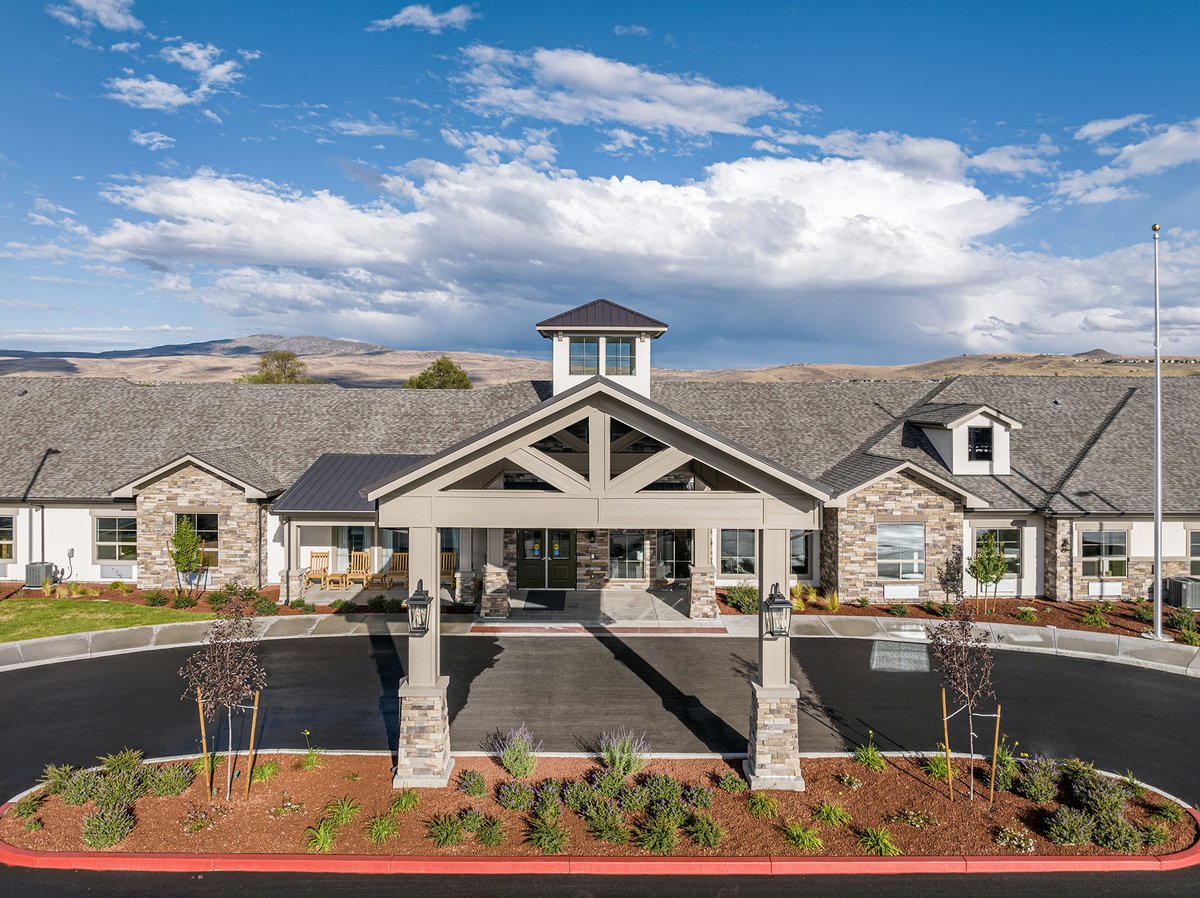
At Kiley Ranch Senior Living, care is designed to evolve alongside dementia progression without forcing disruptive moves. Residents can transition from assisted living into memory care as needs change, maintaining continuity and familiarity.
Generations Memory Care Approach
The Generations Memory Care program emphasizes personalized support based on each resident's life story. Individualized music, meaningful cooking experiences, intergenerational interactions, and personal history displays help residents stay connected to who they are.
Continuity That Reduces Stress
Secure outdoor courtyards, bright common spaces, private dining options, and consistent daily rhythms create an environment that feels supportive. Families looking for communities capable ofadapting senior care options value this continuity because it reduces emotional strain for everyone involved.
Frequently Asked Questions
How Fast Does Dementia Progress?
Dementia progression varies by individual. Some people experience gradual changes over many years, while others decline more quickly. Planning early allows families to adjust care steadily rather than react during emergencies.
Can Someone With Dementia Stay in Assisted Living Long-Term?
Some individuals remain in assisted living for extended periods, particularly in the early stages. As memory loss in seniors affects safety or daily care, memory care transitions may become necessary.
What Makes Memory Care Different From Assisted Living?
Memory care provides higher supervision, secure environments, and staff trained specifically for dementia support. Daily routines are designed to reduce confusion and support emotional comfort.
How Do Families Know When More Support Is Needed?
Warning signs include wandering, hygiene difficulties, frequent confusion, or rising anxiety. Assisted living teams help families recognize these patterns early.
Why the Stages of Dementia Matter When Choosing Senior Living
Understanding the stages of dementia helps families choose care that adapts rather than reacts. Dementia progresses gradually, and the right environment should adjust alongside those changes.
At Kiley Ranch Senior Living, residents benefit from a continuum of care that includes assisted living and a dedicated Generations Memory Care program. Life-story-based engagement, consistent routines, and thoughtfully designed spaces allow support to increase without disrupting familiarity.
To learn more or schedule a visit, contact the Kiley Ranch Senior Living team and see how adaptable care can support every stage.