
Summary
Families seeking activities that slow dementia progression should know that while no activity can reverse memory loss, meaningful engagement supports quality of life and connection for residents living with dementia. Kiley Ranch Senior Living in Sparks offers evidence-based programming designed around what works best for memory care.
- Music programs—including singalongs, listening sessions, and movement to music—connect to long-term memories and emotions while encouraging social interaction without performance pressure
- Creative activities like painting, drawing, and crafts allow residents to express feelings through sensory engagement rather than relying on verbal communication
- Gentle movement programs adapted to each resident's abilities support mood, sleep, balance, and daily routine through walks, chair exercises, or stretching
- Reminiscence activities using family photos, familiar objects, and life stories help residents feel grounded while helping caregivers provide more personalized support
- Consistent daily rhythms combining meals, social connection, cognitive games, and structured programs create familiar anchors that support comfort throughout the day
When a loved one receives a memory loss diagnosis, families often begin looking for ways to support daily comfort, connection, and quality of life. Meaningful engagement can play an important role. While no activity can promise to stop or reverse dementia, structured programs can help residents living with Alzheimer’s disease or another form of dementia stay connected to familiar routines, personal interests, and moments of joy.
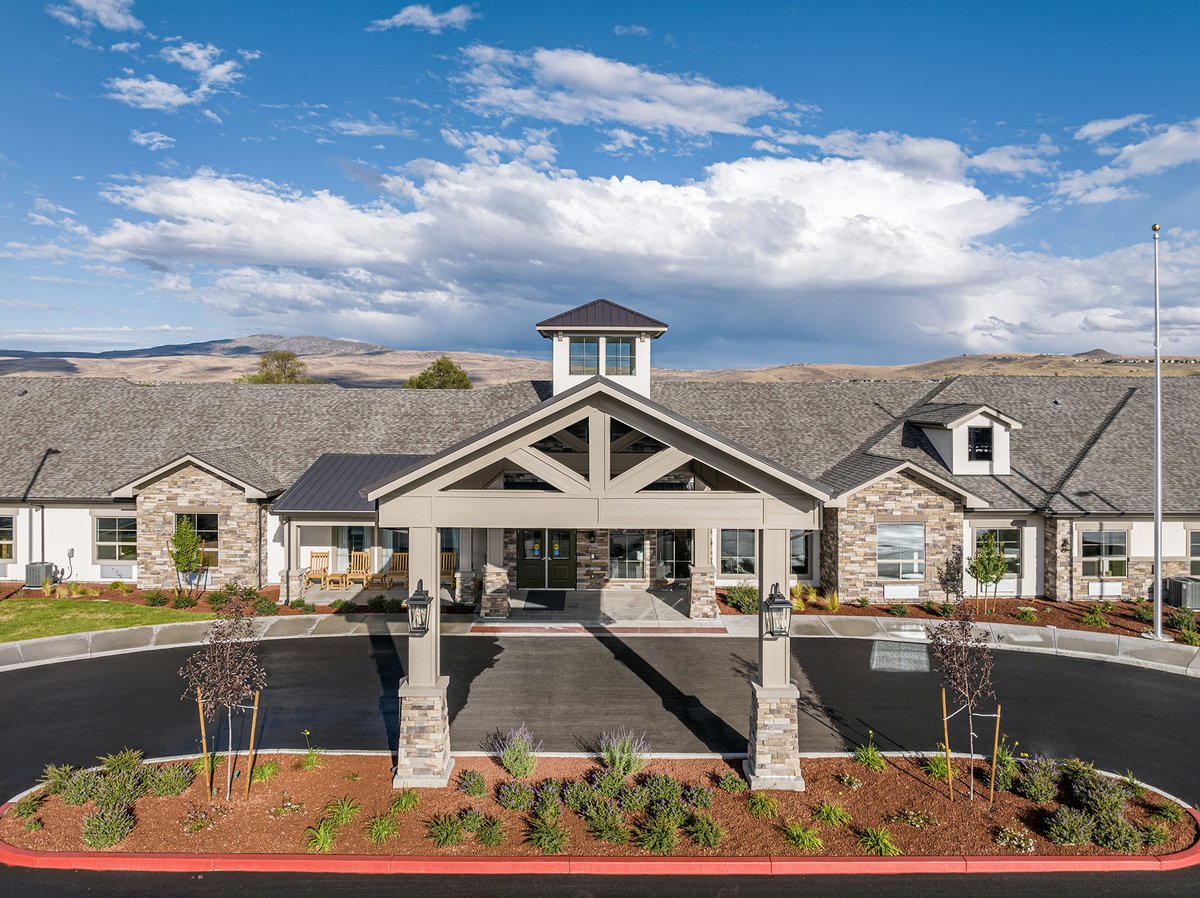
At Kiley Ranch Senior Living in Sparks, NV, Generations Memory Care offers a supportive setting with programming, dining, and daily structure for residents living with memory loss. Through signature programs such as Vibrant Life® and Elevate® Dining, Associates help create days that feel more familiar, engaging, and purposeful.
Music, Familiar Melodies & Emotional Connection
Music can be one of the most meaningful memory care activities for dementia because it often connects to long-term memories, emotion, and identity. A familiar song may bring a smile, encourage movement, or open the door to a story from earlier in life.
For some residents, music is also a calming part of the day. A favorite hymn, dance tune, jazz standard, or song from a younger decade can create comfort even when verbal communication becomes more difficult. In a group setting, music also offers shared connection without putting pressure on anyone to perform.
Music-based programs may include:
- Singalongs with familiar songs from earlier decades
- Listening sessions built around favorite artists or life stages
- Gentle rhythm programs with simple instruments
- Movement to music at a comfortable pace
- Quiet background music during relaxing routines
These programs can support cognitive stimulation for memory loss while also encouraging social interaction, emotional expression, and comfort.
Art, Sensory Projects & Creative Expression
Creative programs offer another way for residents to engage without needing to rely heavily on words. Painting, drawing, arranging flowers, working with clay, or making simple seasonal crafts can help residents' express feelings, preferences, and memories in a natural way.
The final product matters less than the experience. A resident may enjoy choosing colors, feeling textures, or working alongside others. These small moments can support focus and present-moment engagement.
At Kiley Ranch, community amenities such as arts and crafts spaces, shared gathering areas, and Vibrant Life® programming can help residents participate in programs that match their interests and abilities. Associates can also learn from families about a resident’s history, hobbies, favorite colors, past work, family traditions, or creative interests.
Movement, Routine & Health & Wellness
Physical movement can support mood, sleep, balance, and daily routine. For residents living with dementia, movement programs work best when they are adapted to the person’s comfort level and current abilities.
The best activities for dementia residents are often simple, familiar, and easy to join. A short walk, chair-based movement, stretching, or gentle hand exercises can create a sense of rhythm in the day. Group movement can also help residents feel part of something shared.
Movement-based programs may include:
- Chair exercises for gentle flexibility
- Walking programs in safe, familiar spaces
- Simple stretching or guided movement
- Light dance or music-based movement
- Balance-focused exercises adapted to each resident
These programs should feel encouraging rather than stressful. The goal is to support participation, comfort, and connection in a way that respects each resident’s pace.
Reminiscence & Life Story Work
Reminiscence can be especially meaningful because long-term memories may remain more accessible than recent ones. Looking through family photos, talking about past work, handling familiar household objects, or discussing favorite holidays can help residents feel grounded in their own stories.
This kind of life story work also helps Associates understand the person beyond the diagnosis. A resident may have been a teacher, parent, veteran, gardener, musician, business owner, volunteer, or lifelong Nevada resident. Those details can shape more personal daily engagement.
Families can support reminiscence by sharing photos, favorite recipes, music preferences, career history, spiritual traditions, hobbies, and meaningful routines. These details may help memory care life enrichment programs feel more familiar and respectful.
Games, Puzzles & Cognitive Stimulation
Families often search for activities that slow dementia progression or information about slowing Alzheimer’s with activities. It is important to approach those phrases carefully. Activities should not be presented as a cure or guarantee. Instead, the focus should be on meaningful engagement, maintaining current abilities where possible, and supporting quality of life.
Simple games and mental exercises can be useful when they are matched to the resident’s current abilities. If a program is too difficult, it may create frustration. If it is too simple, it may feel unengaging. The right balance helps residents experience success and connection.
Helpful cognitive programs may include:
- Simple word games or matching games
- Familiar card games with adapted rules
- Sorting tasks based on colors, themes, or objects
- Picture-based conversation prompts
- Puzzles with large, easy-to-handle pieces
Associates can adjust programs over time as needs change. This flexible approach helps each resident participate in a way that feels comfortable and worthwhile.
Dining, Social Connection & Daily Rhythm
Daily meals are another important part of memory care life enrichment programs. Mealtimes provide structure, social interaction, and sensory engagement through familiar aromas, flavors, and routines. Elevate® Dining at Kiley Ranch brings dining into the broader resident experience, supporting both nourishment and connection.
A consistent rhythm can help residents feel more comfortable throughout the day. Breakfast, music, movement, creative programs, rest, and shared meals can create familiar anchors. For many residents, these patterns are easier to follow than an unstructured day.
Social connection also matters. A short conversation, a shared laugh, a group song, or sitting near familiar neighbors can help residents feel included. These moments may seem small, but they can shape the tone of the day.
Finding Memory Care Support in Sparks
Choosing a Memory Care community means looking closely at the daily experience. Families should ask how programs are personalized, how Associates learn each resident’s history, how meals are supported, and how the community adjusts engagement as needs change.
Kiley Ranch Senior Living offers Assisted Living and Generations Memory Care in Sparks, along with studio, one-bedroom, and two-bedroom apartment home options. Families can tour the community, ask about Vibrant Life®, learn about Elevate® Dining, and discuss how Generations Memory Care supports residents living with Alzheimer’s disease or another form of dementia.
Tour our supportive services today!